Couples Therapy
When your marriage isn’t where you hoped it would be.
Couples tell me all the time that they're trying everything they can, but nothing seems to be working. In their exhaustion, one or both often fear that if something doesn't change, they'll end up facing a choice between staying in an unhappy marriage or leaving it.
But that choice is a false one, because there's a third option: to repair, heal, and build the marriage you want but don't yet know how to reach. With something this important, it matters that the person you work with truly understands you, rather than handing you oversimplified solutions to complicated problems. That's where my work starts.
If you're at that point, or see yourselves heading there, reach out. I've spent my career helping people change the course they're on — and if you're willing to do the work, I can help you build the marriage you long for.
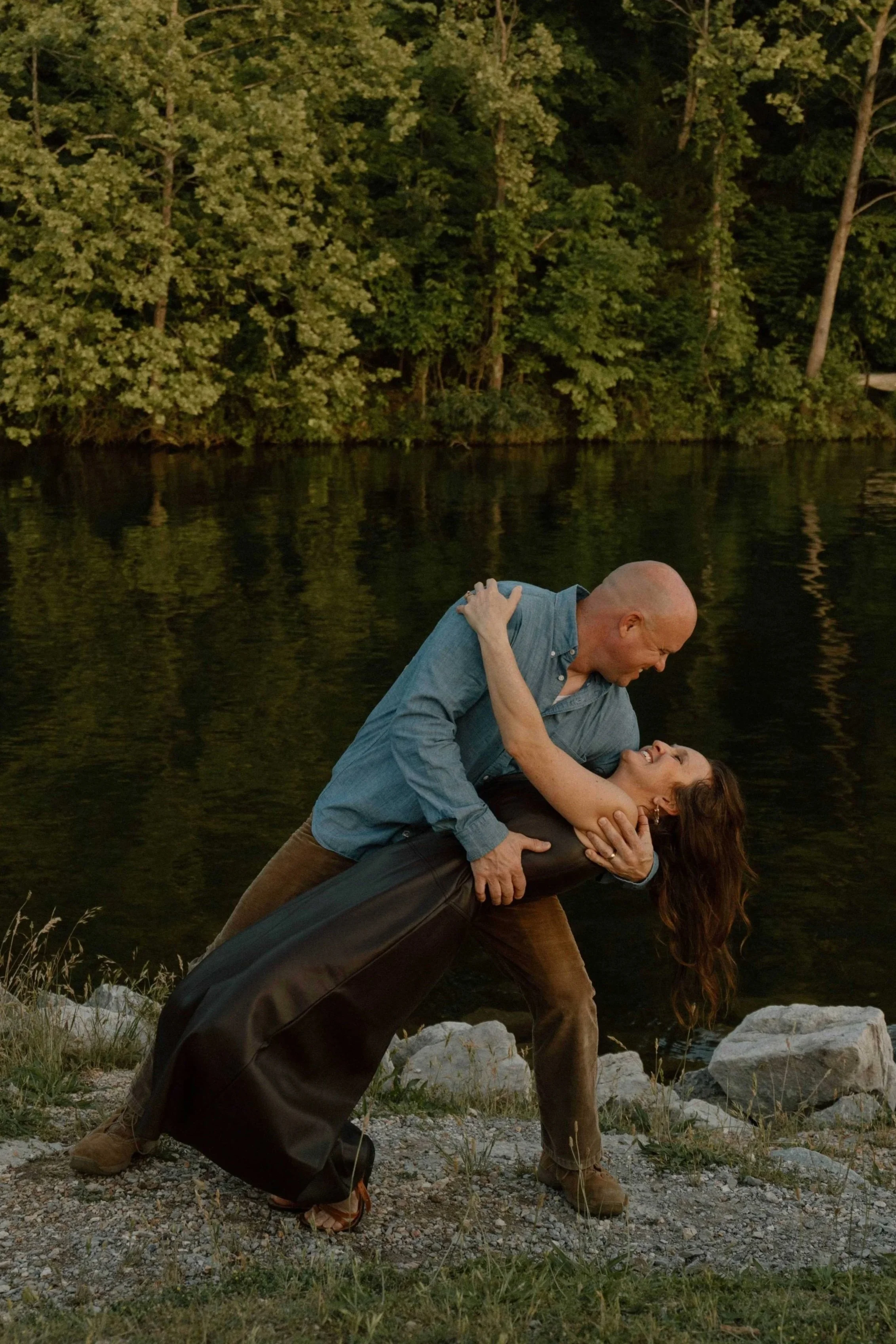
The process won’t always be easy, but it will be worth it. Most couples are surprised by how much changes once they finally understand what’s actually been happening between them. I’ll help you face what hasn’t worked, learn strategies to change it, heal from past hurts, and rebuild the connection and intimacy you’ve been missing. I’ve worked with couples who were certain they’d run out of options, and watched them build the marriage they actually want to be in.

Frequently Asked Questions
-
That’s what many couples expect — to come in and talk through how things feel: the distance, the frustration, the hurt, the sense that something’s gone wrong. But how you feel about your partner is the result of how the two of you think about, talk to, and treat each other. That’s actually good news: it means the way back isn’t to somehow force the old feelings to return, or worse, just wait for them — but to change what produces them. Get the patterns right, and the feelings follow. When people picture couples therapy, they often imagine sitting around talking about feelings, and that’s the part many therapists default to. But feelings are the last thing in the chain, not the first — what I focus on is the mechanism.
-
Because it usually isn’t the number of disagreements that erodes a marriage — it’s what those disagreements look like. When we’re hurt or triggered, our range of responses narrows, and we reach for the same handful of strategies we always have, just with more intensity: a raised voice becomes a shout, a small withdrawal becomes a wall. The painful irony is that it isn’t working because it’s the wrong pattern, not because you haven’t tried hard enough — so trying harder in the same way only deepens the groove. The way forward isn’t more effort in the same direction; it’s a different pattern.
-
In a way, both of you are right — but it’s more about the pattern than the issue you’re arguing about. That pattern often comes from the past. We react to something in the present that reminds us — usually without our realizing it — of an old hurt, from earlier in this relationship or from long before it. To the person reacting, the reaction feels completely accurate and justified; to their partner, it feels like an overreaction to something small. Both are being honest. The reaction is accurate — it’s just responding to something that isn’t fully in the room. When we can see that clearly, it stops being “an overreaction” someone has to defend or apologize for, and becomes something we can actually work with. That’s also where trauma and relationships meet. When old wounds are part of what’s happening between you, we heal them together — in the room — rather than sending one of you off to heal by yourself. Healing together is itself part of rebuilding the relationship.
-
Yes — and it’s one of the most important things we can work on, even though it’s one of the least talked about. Physical intimacy is deeply vulnerable, so whether the issue is differences in desire, feeling rejected, the weight of past betrayal, old wounds that still surface, or simply feeling
disconnected, it often becomes easier to avoid than to talk about honestly — or it turns into something couples use to jab at each other. Therapy is a place to rebuild that connection with honesty, respect, and without shame. Intimacy isn’t only a sign of how a marriage is doing; it’s one of the ways a strong marriage is built and kept. And so much contributes to a healthy sex life — the emotional safety, trust, and understanding we build in therapy is what lets intimacy grow.
-
Yes — and the research is strong. Across large reviews of couples therapy, most distressed couples show real, lasting improvement, with results comparable to the best individual treatments. But whether it works for you depends less on the statistics and more on two things: finding an approach that changes the actual patterns between you, not just talks about feelings, and a willingness from both of you to do the work. Most couples are surprised by how much changes once they finally understand what’s really been happening between them. I’ve worked with couples who were certain they’d run out of options, and watched them build the marriage they actually wanted to be in.
-
Either works. I see couples in person at my office in Bentonville, in the heart of Northwest Arkansas — convenient to Rogers, Bella Vista, Centerton, Springdale, and Fayetteville. I also offer couples therapy by secure video to anyone located in Arkansas or Nebraska, so you can meet from home, around your work schedules, or from anywhere in the state. For couples especially, video can make it easier to find a time you’re both free. Whichever you choose, the work is the same.
-
This is one of the most common things I hear, and it’s rarely the dead end it feels like. First, reluctance is normal — many people come in unsure, and a single low-pressure conversation is often enough to ease the fear of what therapy will be like. But if your partner is genuinely on the fence about the relationship itself — one of you leaning toward leaving while the other hopes to stay — there’s a specific approach designed for exactly that situation. It’s called Discernment Counseling, and I’m trained in it. It works by helping you get clear on how to move forward, whatever that direction is — with no pressure toward staying or leaving. And if your partner truly won’t come at all, you don’t have to wait on them to start — meaningful change often begins with the one person willing to take the first step.